
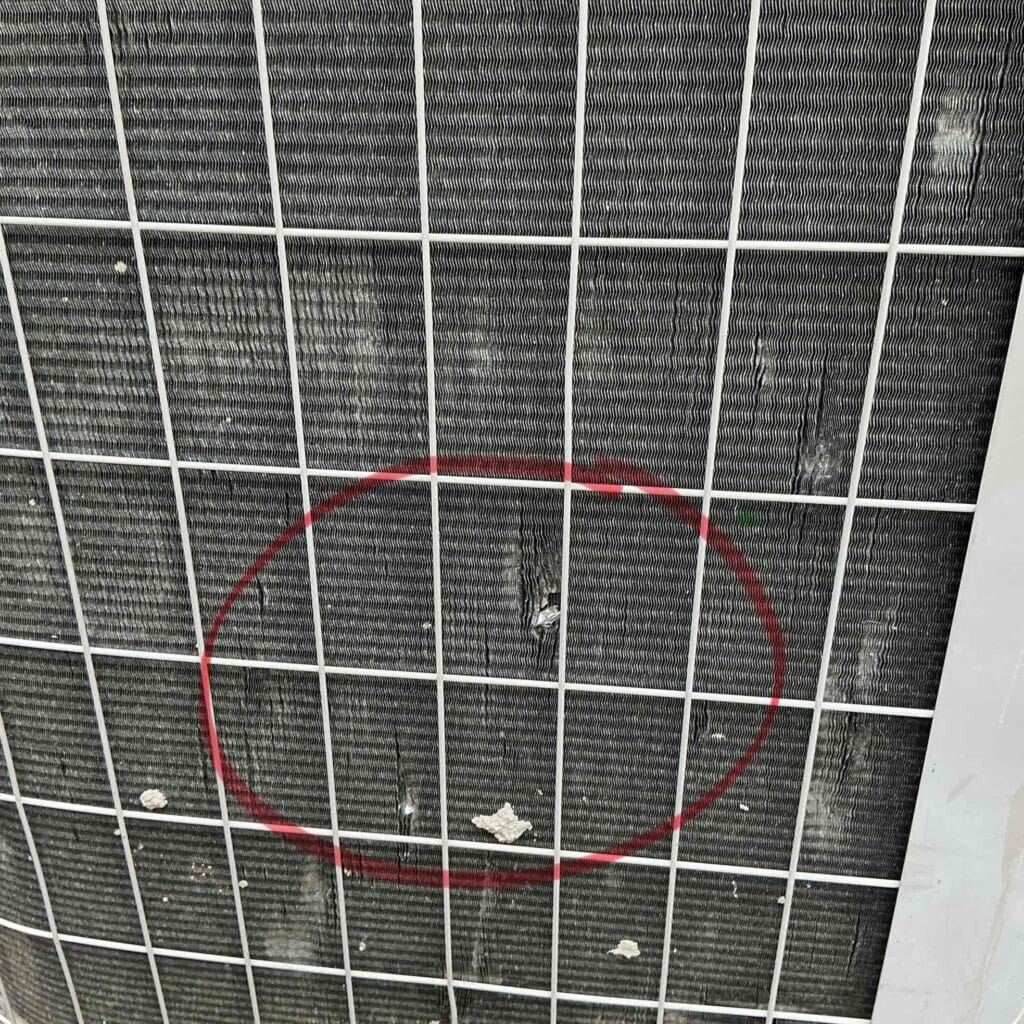
How HVAC Filter Maintenance Impacts System Performance in the Bay Area
If you live in the San Francisco Bay Area, from San Jose to Palo Alto, Sunnyvale, Santa Clara, Fremont, Mountain View, Cupertino, Milpitas, or Gilroy — your HVAC system works hard year-round.
But one of the most overlooked factors affecting HVAC performance, energy efficiency, and lifespan is something simple: Your air filter
What Affects HVAC System Productivity?
HVAC system productivity refers to how efficiently your system delivers heating and cooling to your home. Several factors influence performance:
- Proper airflow (measured in CFM)
- Clean evaporator and condenser coils
- Correct refrigerant charge
- Sealed and insulated ductwork
- Clean air filters (critical factor)
Among all of these, airflow restriction caused by dirty filters is one of the most common and preventable issues in Bay Area homes.
Why Air Filters Are So Important
Your HVAC system is designed to operate at a specific airflow level:
- ~400 CFM per ton of cooling
If airflow drops, your system cannot transfer heat effectively — which means:
- Less cooling or heating
- Higher energy bills
- Increased wear and tear
The Science Behind HVAC Performance (With Real Numbers)
Cooling output depends directly on airflow. Engineers use this formula:

Where:
- Q = cooling capacity (BTU/hr)
- CFM = airflow
- ΔT = temperature difference (typically 18–20°F)
Example: Typical Bay Area Home (3-Ton HVAC System)
- System size: 3 tons (36,000 BTU/hr)
- Required airflow: 1,200 CFM
With a clean filter:
- System runs at 100% capacity
What Happens When the Filter Is Dirty?
A clogged filter can reduce airflow by 30% or more.
- New airflow: ~840 CFM
Result:
- Cooling capacity drops by ~30%
- Your home feels uncomfortable — even if the system runs nonstop
Energy Efficiency Impact in Bay Area Homes
Electricity rates in the Bay Area are among the highest in the country. A dirty filter directly increases your energy costs.
Typical impact:
| Filter Condition | Efficiency Loss | Energy Increase |
| Clean | 0% | Normal |
| Slightly dirty | 5–10% | +10% energy |
| Dirty | 15–20% | +20% energy |
| Clogged | 30%+ | +30–50% energy |
Real Cost Example
For a homeowner in San Jose or Fremont:
- Typical summer cooling cost: $200/month
With a dirty filter:
- Cost increases to $250/month
👉 That’s $200+ wasted every season
Hidden Damage Caused by Dirty Filters
Beyond energy waste, clogged filters can cause serious system failures.
In cooling mode:
- Reduced airflow → evaporator coil freezing
- Leads to:
- Water leaks
- Compressor damage ($3,000–$6,000 repairs)
In heating mode:
- Restricted airflow → overheating
- Can result in:
- Cracked heat exchanger (major safety issue)
Static Pressure: The Silent Performance Killer
Most HVAC systems are designed for:
- 0.5 inches of water column (static pressure)
A dirty filter can increase this by:
- +0.3 in. w.c.
👉 Result:
- Airflow drops 20–40%
- System struggles to perform
Why This Matters in the Bay Area
Homes in Sunnyvale, Santa Clara, and Mountain View often deal with:
- Dust from dry summers
- Construction and urban air particles
- High HVAC usage during heat waves
This makes regular filter replacement even more important.
The ROI of Changing Your HVAC Filter
Cost:
- $10–$40 per filter
Benefits:
- 10–30% lower energy bills
- Better indoor air quality
- Longer equipment lifespan
- Fewer breakdowns
👉 Return on investment: 1000%+
How Often Should You Replace Your Filter?
For Bay Area homeowners:
- Every 1–2 months (standard homes)
- Every 3–4 weeks (pets, allergies, or heavy usage)
Professional HVAC Maintenance in the Bay Area
Regular HVAC maintenance ensures your system operates at peak performance. A professional inspection includes:
- Airflow testing
- Static pressure measurement
- Temperature split analysis
- Filter evaluation and replacement
Final Thoughts
A dirty HVAC filter may seem like a small issue, but it can reduce your system’s performance by 30% or more, increase your energy bills, and lead to costly repairs.
For homeowners across the Bay Area — from San Jose to Palo Alto and beyond — regular filter maintenance is one of the easiest and most cost-effective ways to protect your HVAC system.